Pickup vs. Delivery vs. Meet-in-the-Middle: Comparing Local Handoff Options
The three handoffs at a glance
A dining table, a boxed turntable, a stroller. In local classifieds—on Bacheca Del Mercato or anywhere else—the item often matters less than the handoff. The same sale can feel easy or exhausting depending on whether the buyer drives to the seller’s building, the seller delivers, or both meet at a gas station halfway between neighborhoods. Each option shifts time, cost, and risk. There is no universal best choice, but there is usually a best choice for this item, this week, and these two people.
The three handoffs at a glance
Pickup puts the buyer in motion and keeps the seller at home base. Delivery moves the item to the buyer and puts more responsibility on the seller or a courier. Meet-in-the-middle splits the trip and asks both people to coordinate in a public place. A quick comparison:
- Pickup: the most control and the easiest inspection, but the buyer needs transport and time; the seller needs to be available.
- Delivery: helpful for buyers without a vehicle or with tight schedules, but it adds routing, payment, and handoff details.
- Meet in the middle: a fair compromise for portable items, but it depends on a precise plan and a safe public setting.
Pickup: the handoff with the most control
Pickup is the default in many local sales because it is simple: the buyer comes to the item. Convenience favors the seller, while the buyer spends time, fuel, or transit fare. For bulky or fragile things—a sofa, a treadmill, a cabinet—pickup often wins because you can see, test, measure, and load the item before money changes hands. For a small lamp, a two-hour round trip may not be worth it.
Costs are mostly practical: fuel, parking, tolls, a van rental, or a friend’s help. There is no packing or courier coordination. Planning is about access. Ask early: Is there a loading zone? How many steps? Is there an elevator? Will the item fit through the door? Sellers should move the item to a safe, accessible spot and avoid inviting strangers deep into the home; a lobby, garage, or driveway is usually better. Buyers should bring a blanket, straps, a helper for heavy pieces, and the agreed payment method. Inspect before loading, not after you have driven away.
The hidden cost of pickup is the return trip. A buyer who arrives with a small hatchback and a “we’ll figure it out” attitude often discovers that the item does not fit, that the straps are at home, or that the seller’s staircase turns at a landing too tight for a queen mattress. Sellers can prevent most of this with two lines in the listing: dimensions and access notes. “Sixty inches wide, second floor, no elevator, street parking after 6 p.m.” saves everyone a wasted evening, and it filters out buyers who were never going to manage the load.
Delivery: convenience with a planning layer
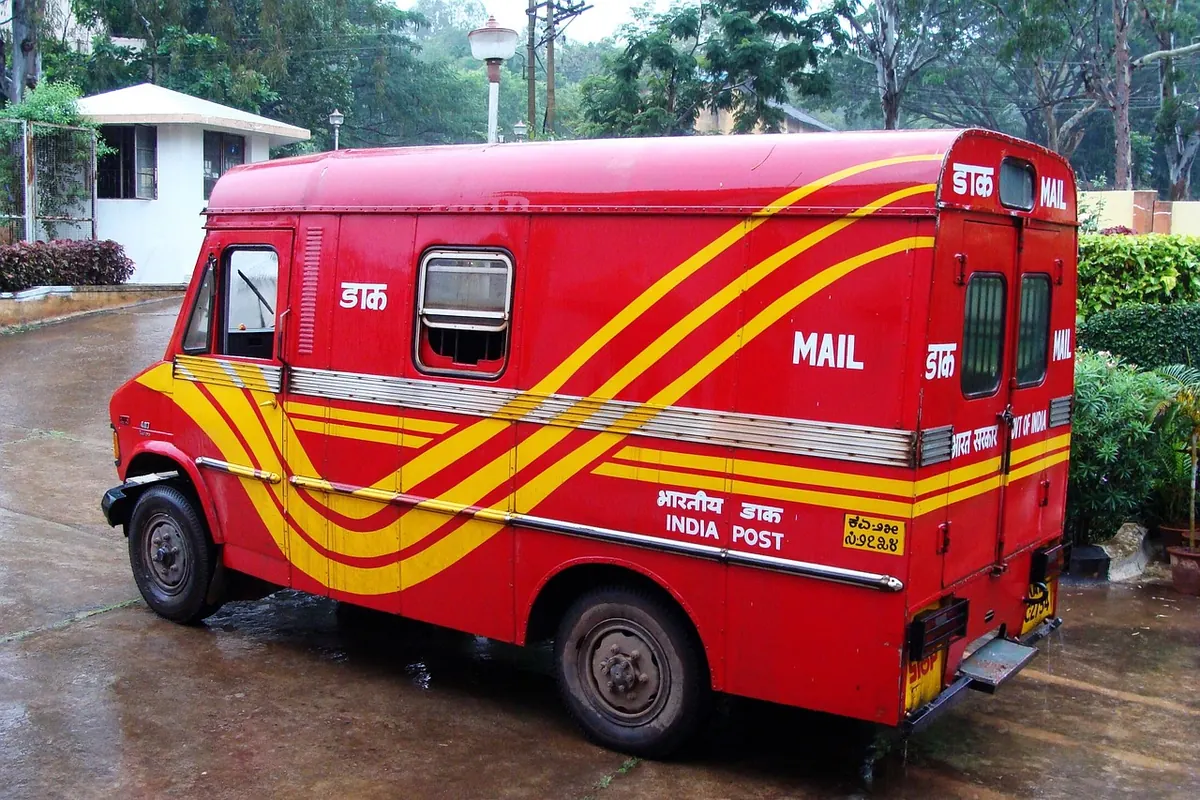
Delivery is convenient for the buyer and more work for the seller. It can mean the seller drives the item over or hires a courier. The convenience is obvious when you have no car, a tight schedule, an injury, or a piece that fits neatly into someone else’s vehicle. The cost is not just a fee: it includes fuel, time, vehicle wear, packing, and the risk of damage in transit. Compare that total with what your own trip would cost in time and money.
Safety comes down to confirmation. The buyer should see the item working before the driver leaves. The seller should confirm the address, recipient, payment method, and whether delivery means to the door, inside the building, or up three flights. Put the scope in writing. “Delivery” can mean very different things to two reasonable people.
Planning details matter: parking rules, stairs, narrow hallways, building access, weather, and whether someone will actually be home. A courier who arrives to a locked lobby with no buzzer code and no phone number is a delivery that fails through no fault of the item. A few specifics remove the guesswork:
- Packing: who supplies blankets, boxes, or wrap, and who accepts responsibility for a scratch that happens in the car.
- Payment timing: cash on arrival, a deposit up front, or a transfer before the driver leaves—decided in advance, not at the curb.
- The drop-off point: doorstep, hallway, or inside the room where the item will live.
- The window: a two-hour block beats “sometime Saturday,” and both sides should have each other’s number.
Delivery also suits the seller who is moving out and needs the item gone by a certain date. In that case, the “delivery fee” is really a disposal fee with a happy ending, and it is often cheaper than renting a van to take the piece to a donation center.
Meet-in-the-middle: the fair compromise
Meeting halfway feels fair, and for the right item it is the fastest option of all. It works best for things that are portable, sturdy, and easy to inspect on a tailgate: a phone, a camera lens, a bicycle, a box of books, a small amplifier. It works badly for anything that needs two people and a ramp. Nobody wants to discover at a highway rest stop that the dresser does not fit in the trunk.
Precision is the whole game. Name the place, not the town: “the south lot of the supermarket on Route 9, near the cart return” beats “around three-ish in Springfield.” Choose somewhere public, well lit, busy, and open during the day—a grocery store lot, a coffee shop, a designated exchange zone outside a police station. Bring a friend if the item is valuable or the buyer is unknown. And test the thing before the money moves: plug it in at the café if the staff allow it, or arrange a quick demonstration at the meeting point.
Weather deserves a mention, because meet-in-the-middle happens outdoors by definition. A cardboard box of records in a drizzle, a guitar case on a windy day, a turntable balanced on a wet tailgate—these are small disasters that a five-minute look at the forecast would have prevented. Have a plan B location, even if it is only the covered entrance of the same store.
Two people can agree perfectly on “halfway” and still arrive at different parking lots, which is why the only useful halfway is one with an address.
What each option really costs
When the price is settled, the handoff still carries its own budget. Comparing the three honestly usually settles the argument faster than preference does.
- Pickup: the buyer pays in travel time and fuel; the seller pays in availability and a stranger at the door. Inspection is easy. Risk is low for the buyer, moderate for the seller.
- Delivery: the buyer pays a fee or accepts a slightly higher price; the seller pays in planning, packing, and transit risk. Inspection is hardest here, because the item travels before the buyer has lived with it.
- Meet in the middle: both sides pay roughly half a trip, and both pay in coordination—messages, timing, waiting. Risk sits in the middle too, which is why the location matters so much.
Matching the handoff to the item
Most of the decision can be made before you ever open a chat window. Run the item through a few questions: How heavy is it, how fragile is it, how far apart are the two addresses, and who has a vehicle that actually fits it? Bulky, heavy, or awkward things lean toward pickup, where the loading problem is solved on the spot. Small, high-value things in a dense city lean toward a public meet-up or a short delivery. Anything the seller cannot lift is a delivery or a two-buyer job by definition.
- Furniture, appliances, gym equipment: pickup, with dimensions and access notes in the listing.
- Phones, cameras, watches, small electronics: meet in a busy public place, in daylight, with the item tested.
- Items for a buyer without a car: delivery, with the scope and the payment method agreed in writing.
- Anything fragile: the shortest journey you can arrange, and the person who packed it should be the one who carries it.
A five-minute handoff checklist
Whatever you choose, the same handful of details decides whether it goes smoothly. Agree on all of them in the chat, not at the curb.
- Confirm the exact address, with a landmark, buzzer code, or parking instruction.
- Confirm the time window and exchange phone numbers.
- Restate the price and the payment method, including who covers any fee.
- Describe the item’s condition and note any flaw you already mentioned in the listing.
- Say what transport is involved, and whether a helper will be there.
- Agree on what “delivery” covers if delivery is the plan: doorstep, hallway, or room.
- Decide the inspection moment—before loading, before paying, or both.
- Have a fallback: a second location, a second time slot, or a polite “let’s reschedule.”
The handoff is the product
Buyers and sellers remember the transaction, not the listing. A turntable that arrives safely, a stroller handed over in a supermarket lot in ten minutes, a sofa carried down a driveway with two friends and a borrowed van—each of those is a small piece of logistics that worked. Pickup, delivery, and meet-in-the-middle are not competing philosophies. They are tools, and the skill is in noticing which one this item, this week, and these two people can actually pull off. Choose the option that makes the boring details obvious, write them down, and both sides get to go home early.
Photo: sarangib / Pixabay